
Case Study / Go-To-Market
From Market Entry to a Scalable B2B Growth Engine
How I built the go-to-market strategy for a new HR SaaS brand in Egypt, established its positioning, launched its digital foundation, and created a multi-channel marketing engine designed to generate demand and build brand awareness.
100+
Business Opportunities Generated
50
Business Opportunities Generated
60
Business Opportunities Generated
245K+
Facebook Views in the latest reported period
01 / Market Entry
Entering a crowded market with a brand nobody knew yet.
When I joined Opus, the brand was still at the beginning of its entry into the Egyptian HR technology market.
The challenge was not simply generating leads.
Before acquisition could scale, the brand needed a clear market position, a compelling message, a digital foundation, and a repeatable approach for reaching HR decision-makers.
New brand
Crowded HR tech market
Low market awareness
No established demand engine
GTM challenge
02 / Research
Strategy started before the first campaign.
Before building campaigns, I conducted a full market analysis to understand the Egyptian HR software landscape, customer expectations, competitive positioning, category messaging, and potential areas of differentiation.
The objective was to understand not only what competitors were offering, but how they were communicating value and where Opus could build a clearer position.
Market Analysis
Competitor Analysis
Category Positioning
Customer Needs
Market Gaps
Message Patterns
03 / Positioning
In a market selling “complete HR systems,” simplicity became the position.
Category language
- Complex
- Feature-heavy
- Implementation-heavy
- Traditional HR software messaging
Opus
Easy.
Plug & Play.
The Easiest HR System in Egypt
Instead of competing primarily on the number of features, I built the marketing strategy around reducing complexity.
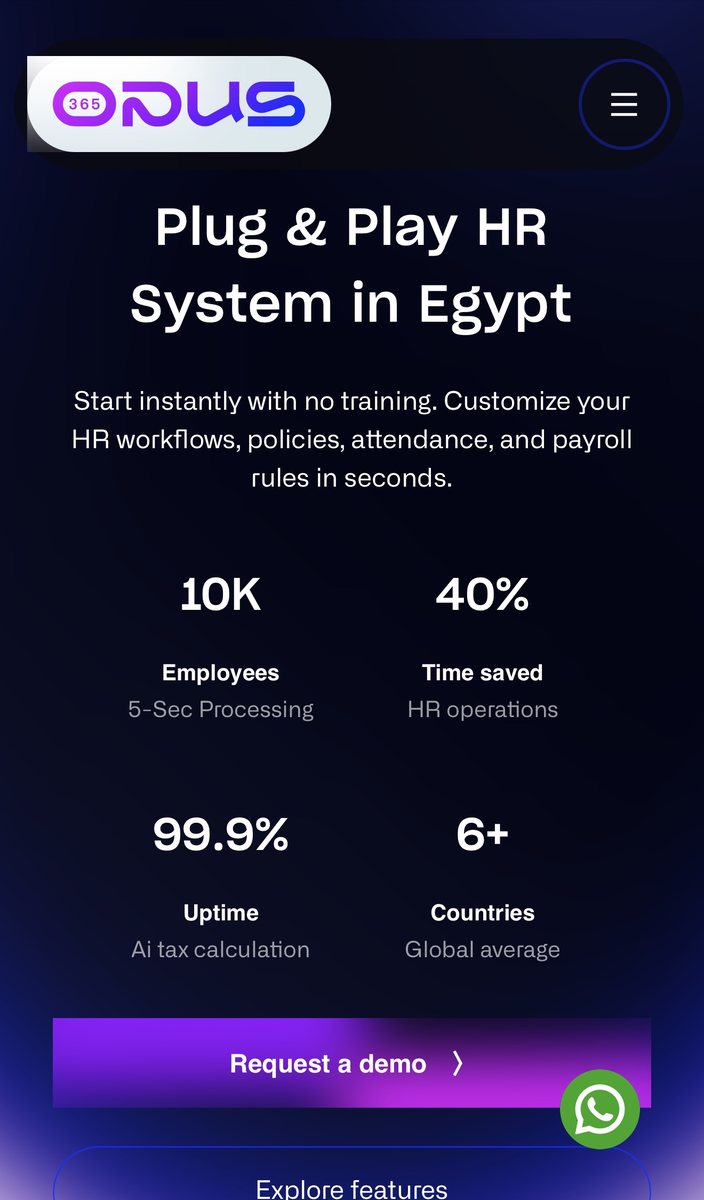
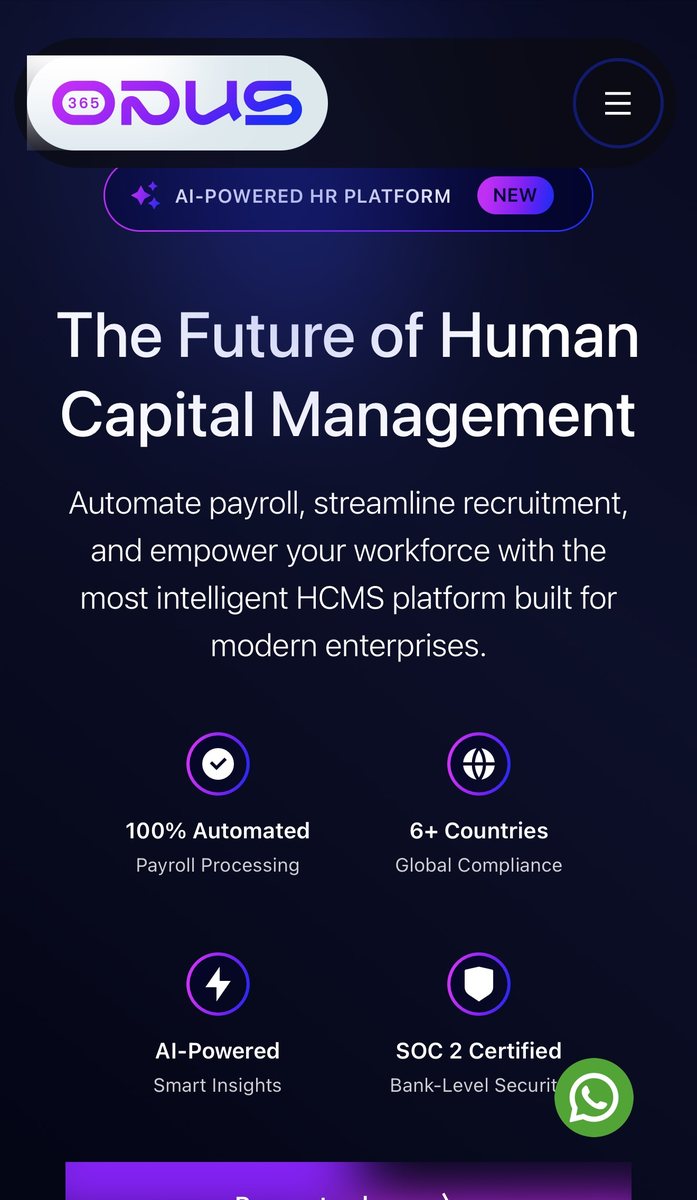
The positioning centered on Opus being a Plug & Play HR System: easier to adopt, easier to configure, and easier for HR teams to start using.
The goal was to create a simpler and more memorable market position in a category where many competitors communicated similar feature-heavy messages.
04 / Foundation
Before generating demand, the infrastructure had to exist.
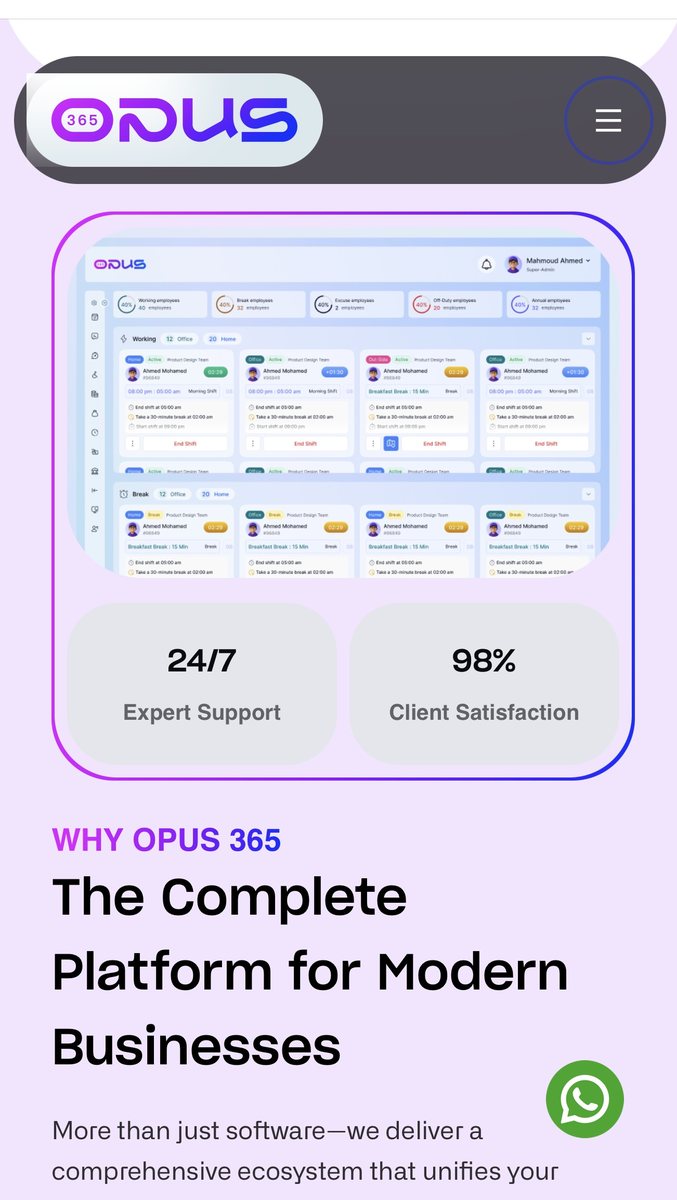
Once the market position was defined, I worked on building the digital foundation required to support acquisition, measurement, and growth.
Positioning
Website
Messaging, structure, customer journey, and conversion foundation
Tracking
Measurement infrastructure for campaign and website performance
Media Plan
Channel planning and paid acquisition structure
Ready to acquire
Messaging aligned across website and advertising
05 / Acquisition System
Building a lead engine that didn't depend on one channel.
The acquisition strategy was built around three complementary sources of demand so the sales team could continuously receive new opportunities.
Meta advertising
Paid campaigns created scalable inbound demand.
Industry events and HR-focused activations
Offline events created direct access to HR decision-makers.
Prospecting through platforms such as Apollo
Outbound prospecting ensured the sales team could continuously approach relevant companies.
The objective was to avoid relying exclusively on one acquisition source.
06 / Awareness
Demand generation wasn't enough. The market needed to know Opus existed.
Because Opus was entering the market as a new brand, awareness and familiarity were strategic priorities alongside lead generation.
I developed the social content direction around making Opus easier to understand, more recognizable, and more relevant to HR professionals and decision-makers.
The goal was to move Opus from being an unknown HR system toward becoming a recognizable name in the category.
Unknown brand
Content exposure
Repeated visibility
Engagement
Brand familiarity
07 / Content
Building familiarity before asking for trust.
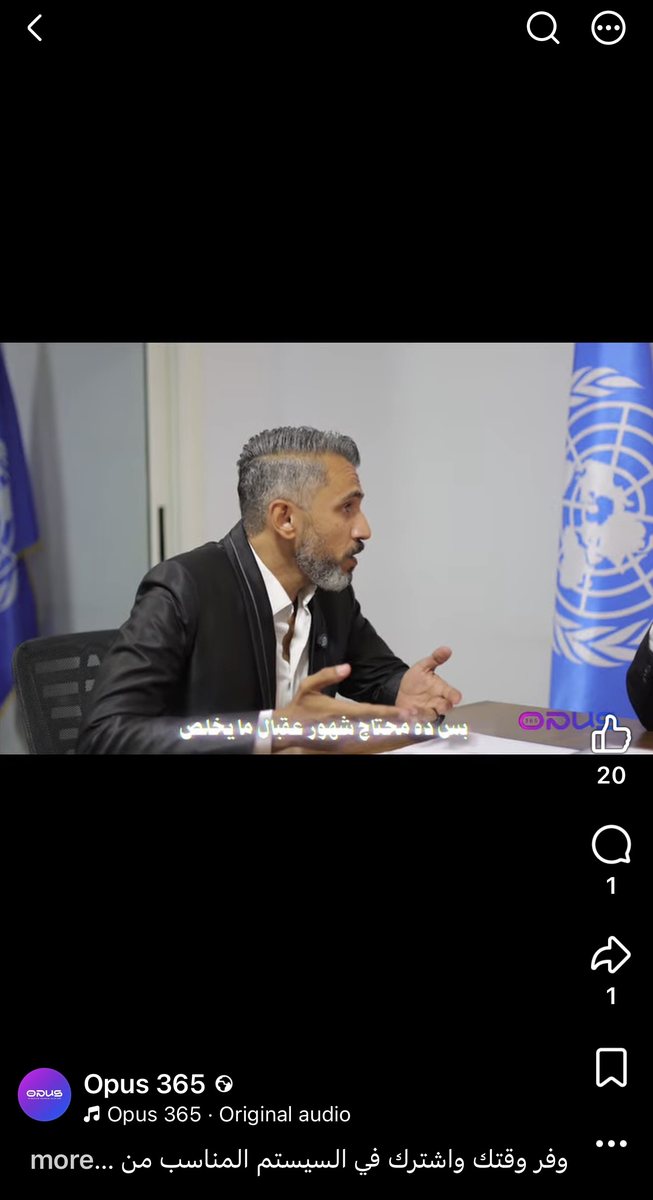
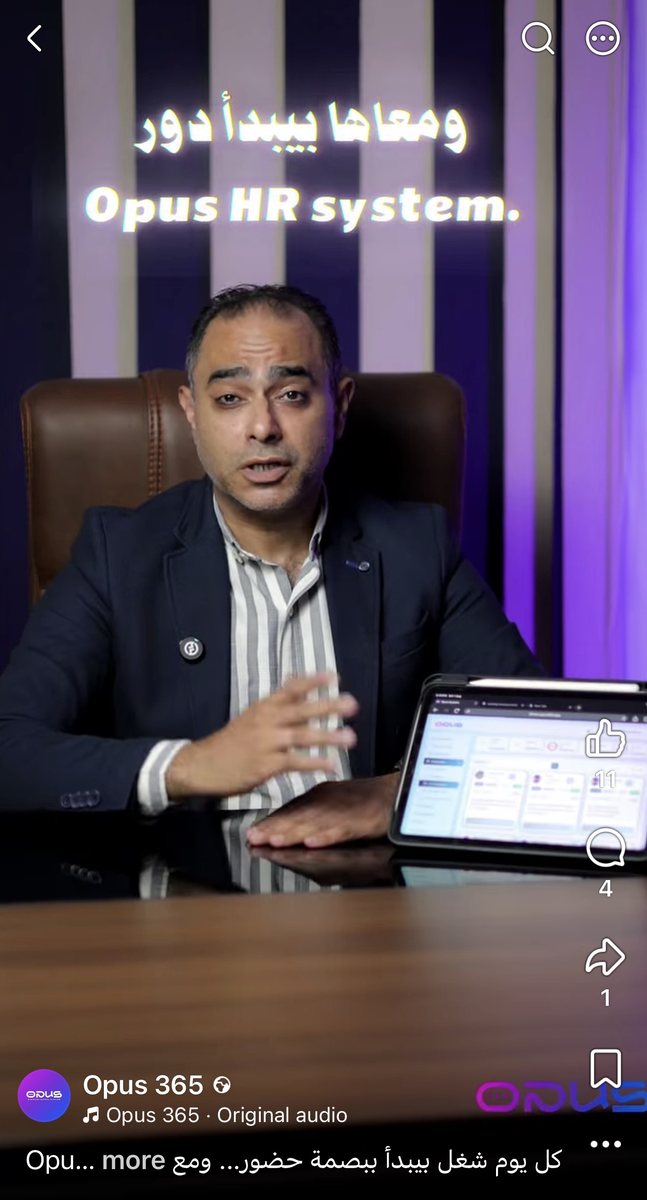
I developed a more distinctive social content and video direction designed to simplify HR-related topics, create stronger hooks, and make a new SaaS brand more familiar to the market.
The strategy focused on creating content that could earn attention rather than relying only on traditional product promotion.
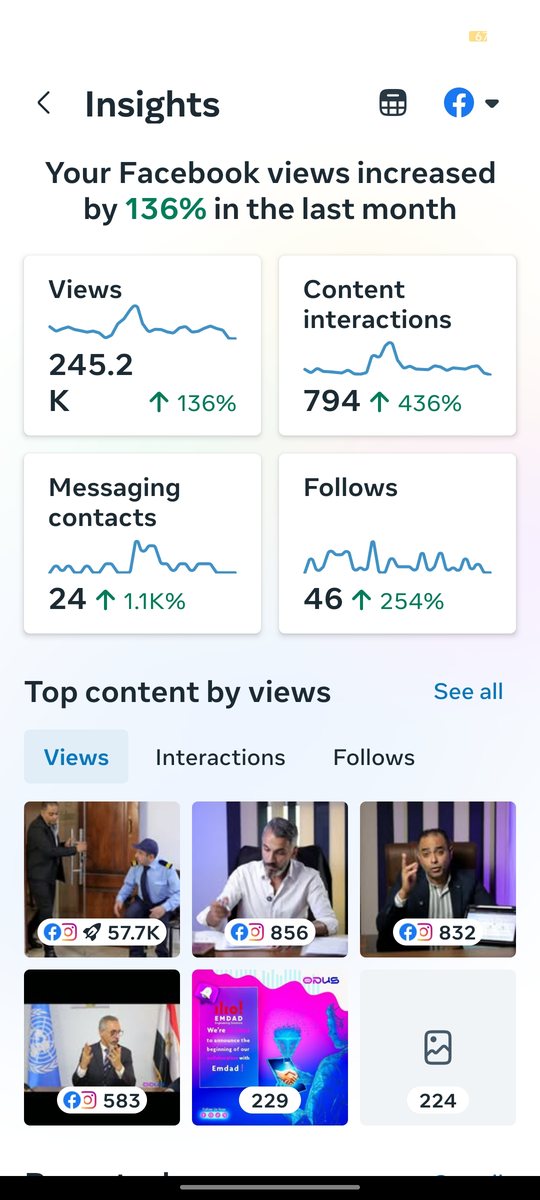
245.2K
Facebook Views
+136%
794
Content Interactions
+436%
24
Messaging Contacts
+1.1K%
46
Follows
+254%
Real platform visibility and engagement numbers, used as evidence of increasing brand awareness. The strongest visible content example reached approximately 57.7K views.

08 / Traction
From market entry to a functioning demand engine.
Total generated across the three acquisition streams during approximately five months. These are business opportunities generated for the sales team — not confirmed paying customers.
09 / The System
The result was bigger than a campaign launch.
Market Research
Competitor Intelligence
Positioning
The Easiest HR System in Egypt · Plug & Play HR System
Digital Foundation
Website + Tracking + Messaging
Acquisition Engine
Paid + Events + Outbound
Content & Awareness
Market Traction
10 / Transformation
From a new entrant to a structured marketing engine.
Before
- New market entrant
- Low awareness
- No established positioning
- No unified demand engine
- Limited market familiarity
Built
- Market research
- Competitor analysis
- GTM strategy
- Clear positioning
- Website
- Tracking foundation
- Media plan
- Multi-channel lead engine
- Content strategy
After
- Clear market position
- Plug & Play identity
- Multi-source acquisition
- Growing awareness
- 210+ business opportunities generated
- Strong social content growth
Final Takeaway
It wasn't a campaign launch.
It was a market-entry system.
The goal was to take a new HR SaaS brand from limited market awareness to a clear position, a functioning demand engine, and growing recognition among HR decision-makers in Egypt.